

Mindful Travel: 5 Of The World’s Most Peaceful Destinations. In our fast-paced, hyper-connected world, the concept of mindful travel is becoming increasingly important. Mindful travel has emerged as a powerful antidote to burnout and stress. Unlike traditional tourism that rushes from landmark to landmark, mindful travel encourages us to slow down, immerse ourselves in the present moment, and connect deeply with our surroundings. Whether you’re seeking spiritual renewal, natural tranquillity, or simply a break from the chaos of daily life, these five destinations offer the perfect sanctuary for your next transformative journey.
What Is Mindful Travel?
Mindful travel is more than just visiting quiet places—it’s an intentional approach to exploring the world. This practice involves travelling with awareness, respecting local cultures, minimising environmental impacts, and prioritising experiences that nurture your mental and spiritual well-being. Rather than collect Instagram photos, mindful travellers capture moments of peace, connection, and self-discovery.
The benefits of this approach extend far beyond your vacation. Studies indicate that mindful travel can reduce anxiety, improve mental clarity, and foster a deeper appreciation for different cultures and natural environments. By choosing destinations that support contemplation and inner peace, you create space for genuine transformation.
1. Bhutan—the Kingdom of Happiness.
Nestled in the Eastern Himalayas, Bhutan stands as the world’s premier destination for mindful travel. This Buddhist kingdom measures success not by GDP, but by Gross National Happiness—a philosophy deeply embedded in every aspect of Bhutanese life.
The country’s commitment to preservation is remarkable. According to Bhutan’s constitution, at least 60% of the country must remain under forest cover, making it one of the world’s only carbon-negative nations. Visitors can explore ancient monasteries clinging to cliff faces, trek through pristine mountain valleys, and participate in meditation sessions led by Buddhist monks.
The Tiger’s Nest Monastery (Paro Taktsang), perched 3,000 feet above the Paro Valley, offers more than breathtaking views—it provides a powerful setting for reflection and spiritual practice. Bhutan’s policy of “high value, low impact” tourism ensures that the country remains uncrowded and authentically peaceful, making it ideal for those seeking genuine tranquillity.
2. Kyoto, Japan – Where Tradition Meets Serenity.
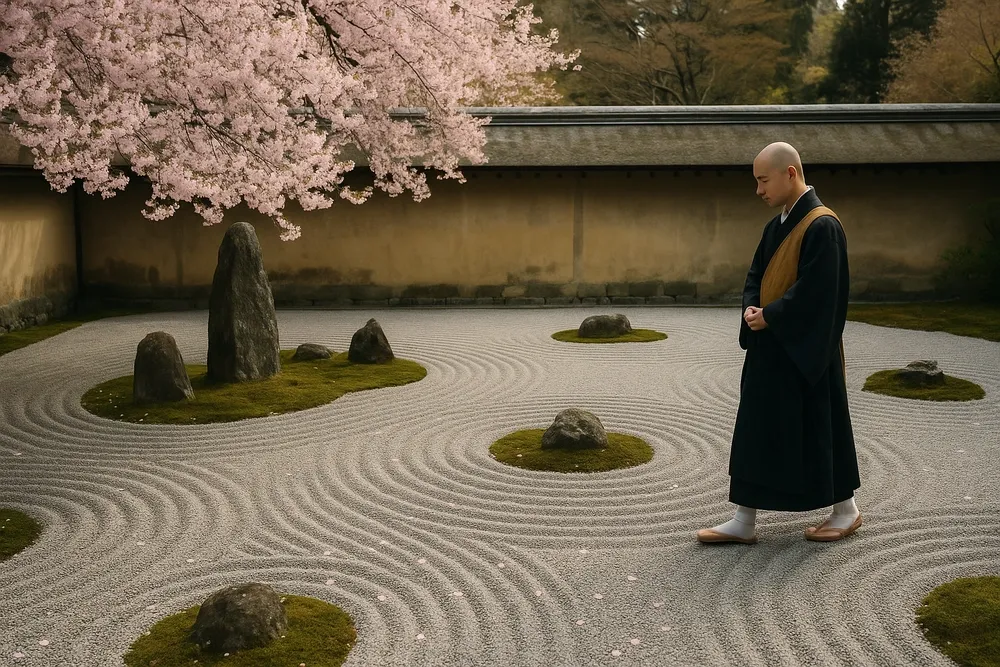
Kyoto seamlessly blends mindful living with urban sophistication. The ancient capital of Japan houses over 2,000 temples and shrines, each offering a unique opportunity for contemplation and peace. The city’s Zen gardens, particularly those at Ryoan-ji Temple, exemplify the Japanese aesthetic of finding profound meaning in simplicity.
Spring brings the meditative beauty of cherry blossoms, while autumn transforms temple grounds into tapestries of red and gold. The practice of shinrin-yoku, or “forest bathing”, originated in Japan and can be experienced in Kyoto’s Arashiyama Bamboo Grove, where towering bamboo stalks create a natural cathedral that invites mindfulness with every step.
Centuries of practice in traditional tea ceremonies teaches participants to find peace in purposeful, deliberate movements. Many temples offer zazen (sitting meditation) sessions where visitors can learn authentic Zen Buddhist practices from experienced practitioners.
3. Iceland – Nature’s Meditation Sanctuary
Iceland’s dramatic landscapes provide a powerful backdrop for mindful travel experiences. The island nation’s geothermal hot springs, vast lava fields, and dancing Northern Lights create an environment that naturally quiets the mind and opens the heart.
The Icelandic concept of “þetta reddast” (it will all work out) reflects a cultural attitude of trust and presence that visitors quickly absorb. Bathing in the geothermal waters of the Blue Lagoon or remote natural hot springs becomes a moving meditation, while the midnight sun of summer or winter’s aurora borealis reminds us of nature’s profound rhythms.
Iceland’s commitment to renewable energy and environmental protection aligns perfectly with mindful travel principles. The country’s sparse population and vast wilderness areas ensure that solitude-seekers will encounter abundant opportunities for quiet reflection. Whether hiking to hidden waterfalls, exploring volcanic craters, or simply sitting beside a glacial lagoon, Iceland teaches travellers to be present with the raw power and beauty of nature.
4. New Zealand, Spiritual Landscapes of Aotearoa
New Zealand’s indigenous Maori culture emphasises kaitiakitanga, or guardianship of the natural world—a principle that resonates deeply with mindful travellers. The country’s diverse landscapes, from the fjords of Milford Sound to the geothermal wonders of Rotorua, offer endless opportunities for contemplative exploration.
The Tongariro Alpine Crossing, one of the world’s most spectacular day hikes, takes visitors through an otherworldly volcanic landscape that demands presence and awareness. The Department of Conservation maintains more than 950 huts and thousands of kilometres of tracks throughout the country’s national parks, making it easy to disconnect from technology and reconnect with nature.
Many retreat centres throughout New Zealand offer yoga, meditation, and wellness programmes set against stunning natural backdrops. The country’s “tramping” (hiking) culture encourages slow, mindful movement through pristine environments, while the absence of crowds in remote areas provides authentic opportunities for solitude and reflection.
5. Costa Rica – Pura Vida Philosophy in Action.
Costa Rica’s national motto, “Pura Vida” (“pure life”), encapsulates an approach to living that mindful travellers immediately recognise and embrace. This small Central American nation has made conservation a national priority, with over 25% of its territory protected as national parks and reserves.
The Nicoya Peninsula, home to one of the world’s Blue Zones where people regularly live past 100, offers insights into mindful, sustainable living. Here, yoga retreats and wellness centres blend seamlessly with the local culture, and the rhythm of life naturally slows down to match the gentle pace of ocean waves and tropical breezes.
Cloud forests in Monteverde provide cathedral-like settings for nature meditation, while the country’s abundant wildlife—from sloths to scarlet macaws—reminds visitors to observe rather than control. Costa Rica’s commitment to environmental sustainability and social well-being makes it an ideal destination for travellers who want their journeys to align with their values.
Planning Your Mindful Travel Experience
When planning a mindful travel journey, consider these essential elements:
Slow Down Your Itinerary: Build in rest days and limit the number of destinations. Quality of experience trumps quantity of sights seen.
Choose Sustainable Accommodations: Seek eco-lodges, retreat centres, or locally owned guesthouses that respect environmental and cultural integrity.
Practice Digital Detox: Limit device usage and social media. Be present with your surroundings rather than documenting them.
Learn Local Customs: Understanding and respecting cultural practices deepens your experience and demonstrates mindful awareness.
Engage in Contemplative Activities: Seek out meditation sessions, yoga classes, nature walks, or cultural experiences that encourage presence and reflection.
The Journey Inward
Mindful travel ultimately leads to self-discovery. These five destinations provide the external conditions for peace, but the true journey happens within. Whether you choose Bhutan’s mountain monasteries, Japan’s Zen gardens, Iceland’s geothermal wonders, New Zealand’s pristine wilderness, or Costa Rica’s rainforests, remember that mindfulness is a practice you carry with you—transforming not just where you go, but how you experience every moment of your journey.
Your next adventure awaits, not as an escape from life, but as a deeper dive into living fully, consciously, and peacefully in the present moment.
